The Release from Suffering

The heart of the Decalogy is nothing but human relationships. In other words, the core of human suffering is relational, and thus liberation from such suffering should be found in relationships.

Minister’s Blog
The heart of the Decalogy is nothing but human relationships. In other words, the core of human suffering is relational, and thus liberation from such suffering should be found in relationships.

To consecrate ourselves is to create a space within ourselves and in our daily lives, so that the Divine can be welcomed, present, and feed our spirits. This could be done through a ritual of consecration, but what is more important is an inward willingness to be changed by the truth from the Divine.
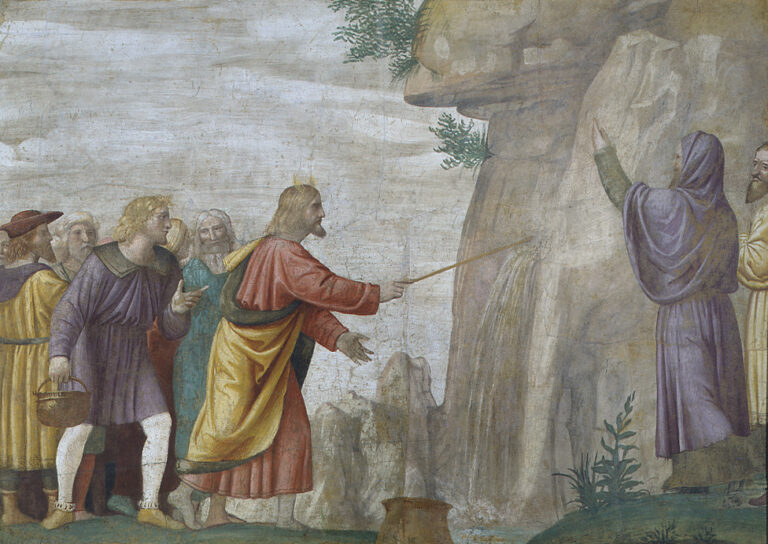
We can stand beside water and remain thirsty. Likewise, we can know a great deal about spiritual truth and still remain spiritually thirsty. The decision to drink must be voluntary.

We are rarely transformed in one dramatic moment. More often, the Lord gives us enough for today’s journey. Thus, the question for us should not be just, “Where am I going?” but also “How is the Lord being present with me today by giving what I need for today to sustain me on this journey?”

Perhaps we should not ask simply, what does the dog mean?” Instead, we should ask: “What kind of affection is the dog expressing here?” That question may lead us closer to the deeper principle of correspondence.

The “foreigner” represents something within us that remains foreign to the spiritual life. It could be an affection, desire, thought, or intention that is essentially not compatible with our relationship with the Lord.
When we are in spiritual struggle, the Divine is still present, working toward our liberation by means of a deeper conjunction with the Lord. The remarkable thing is that the Israelites themselves could not yet perceive any of this. However, their inability to hear did not mean that God could not hear them either.

Perhaps we imagine that holy ground must be somewhere distant: sacred sanctuary, a pilgrimage site, a mountain, or a place where something extraordinary happened. But the story of Moses illustrates otherwise. Perhaps a burning bush is present within our lives.
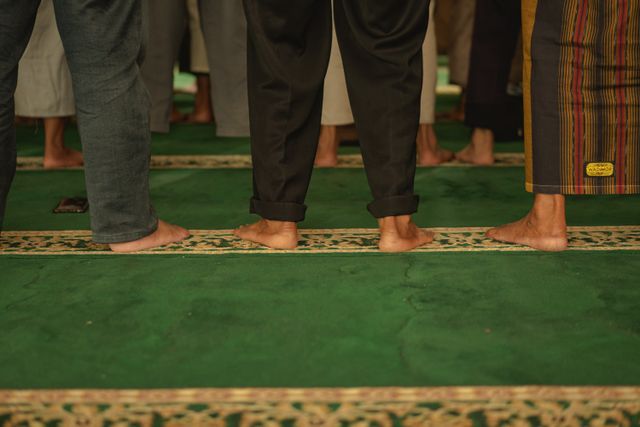
When we rely exclusively on what we can see, hear, touch, measure, and explain materially, our perception becomes limited to the outermost level of reality. Swedenborg therefore sees Moses’ taking off his shoes as a symbolic act: setting aside the merely sensory perspective in order to approach the Divine.
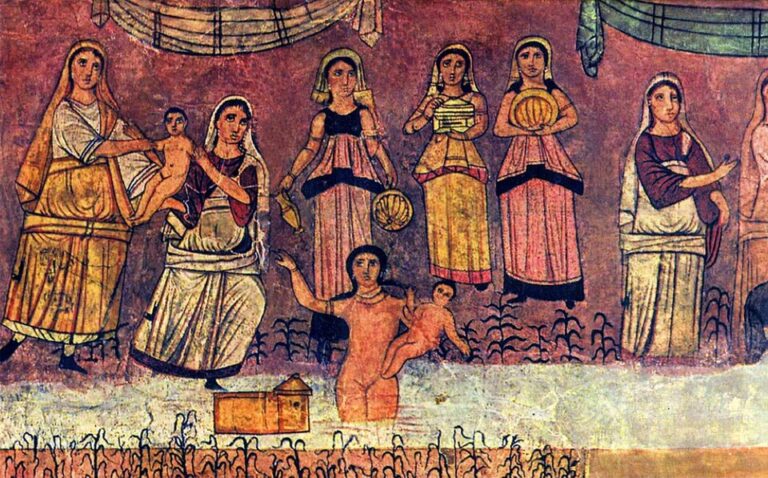
The story of Moses begins with three women: his mother, his sister, and Pharaoh’s daughter. Through these women, what God has prepared is quietly preserved and nurtured.