 Dana Owens
The Release from Suffering

The heart of the Decalogy is nothing but human relationships. In other words, the core of human suffering is relational, and thus liberation from such suffering should be found in relationships.
Consecrating Ourselves
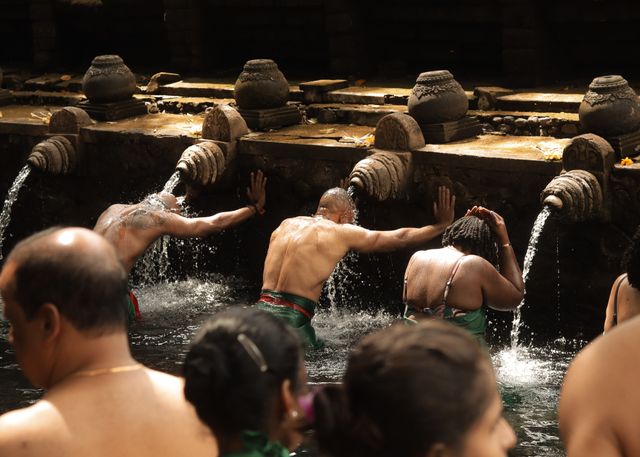
To consecrate ourselves is to create a space within ourselves and in our daily lives, so that the Divine can be welcomed, present, and feed our spirits. This could be done through a ritual of consecration, but what is more important is an inward willingness to be changed by the truth from the Divine.

Drink of Truth
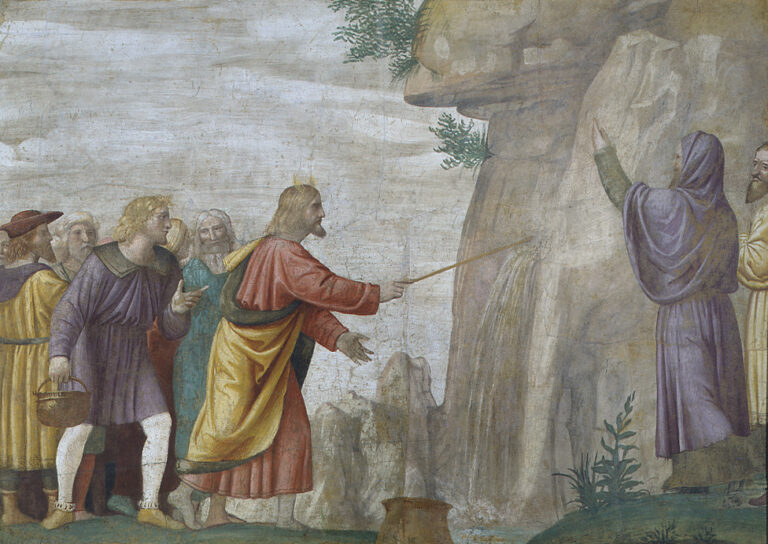
We can stand beside water and remain thirsty. Likewise, we can know a great deal about spiritual truth and still remain spiritually thirsty. The decision to drink must be voluntary.
Worship Service Live Stream
Live stream available on YouTube every Sunday at 11 am! Follow link to join & for more info.
The Middle of the Journey

We are rarely transformed in one dramatic moment. More often, the Lord gives us enough for today’s journey. Thus, the question for us should not be just, “Where am I going?” but also “How is the Lord being present with me today by giving what I need for today to sustain me on this journey?”