Where does faith come from?
The traditional Christian belief has been that faith is the gift of God. Does this mean that faith is not something a person could obtain by one’s own will and efforts?
Minister’s Blog
The traditional Christian belief has been that faith is the gift of God. Does this mean that faith is not something a person could obtain by one’s own will and efforts?
Achieving one’s independence is not the goal of a human life, but perhaps just the beginning of one’s responsible life.
The mission of being disciples means to “heal the sick” as Jesus instructed. The sick being both those who have physical illness and those who have spiritual illness.
People do not become negative because they endure much suffering in their lives nor do people become positive because they are blessed with talents and gifts. Rather, being positive or being negative seems to be the result of one’s daily habits and choices.
In coming together, sharing how we are experiencing the circle and deepening our understanding of others with us, a harmony and collective spirit starts to take shape.
One misunderstanding that many people seem to have is that God or Creator might have a special plan for their life. But if one’s life is predetermined by God, then would that person truly be free?
Being wise has very little to do with having high intelligence or vast knowledge. Rather, it seems to describe a person who is either capable of having experienced judgment or a caring heart, or ideally both.
“Is the Bible truly written by God?” What most people are really asking is not whether God actually wrote the book, but if the Holy Ghost dictated the books of the Bible to its writers.
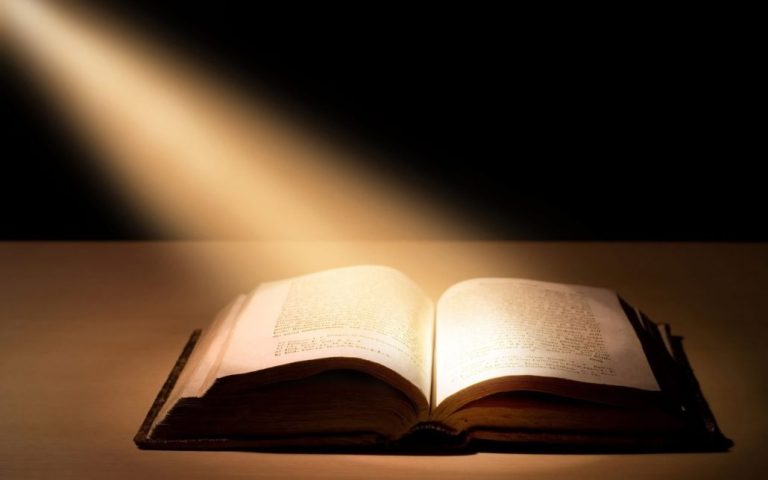
Even though the central message was given by God, still the Bible itself was written in a human language by human beings.
Ancient people felt an amazing event that surpassed their ability or comprehension was an act of God. But when a modern person asks for a miracle, they seem to have a specific object or event in mind.